
Who is Gen Z and why they matter
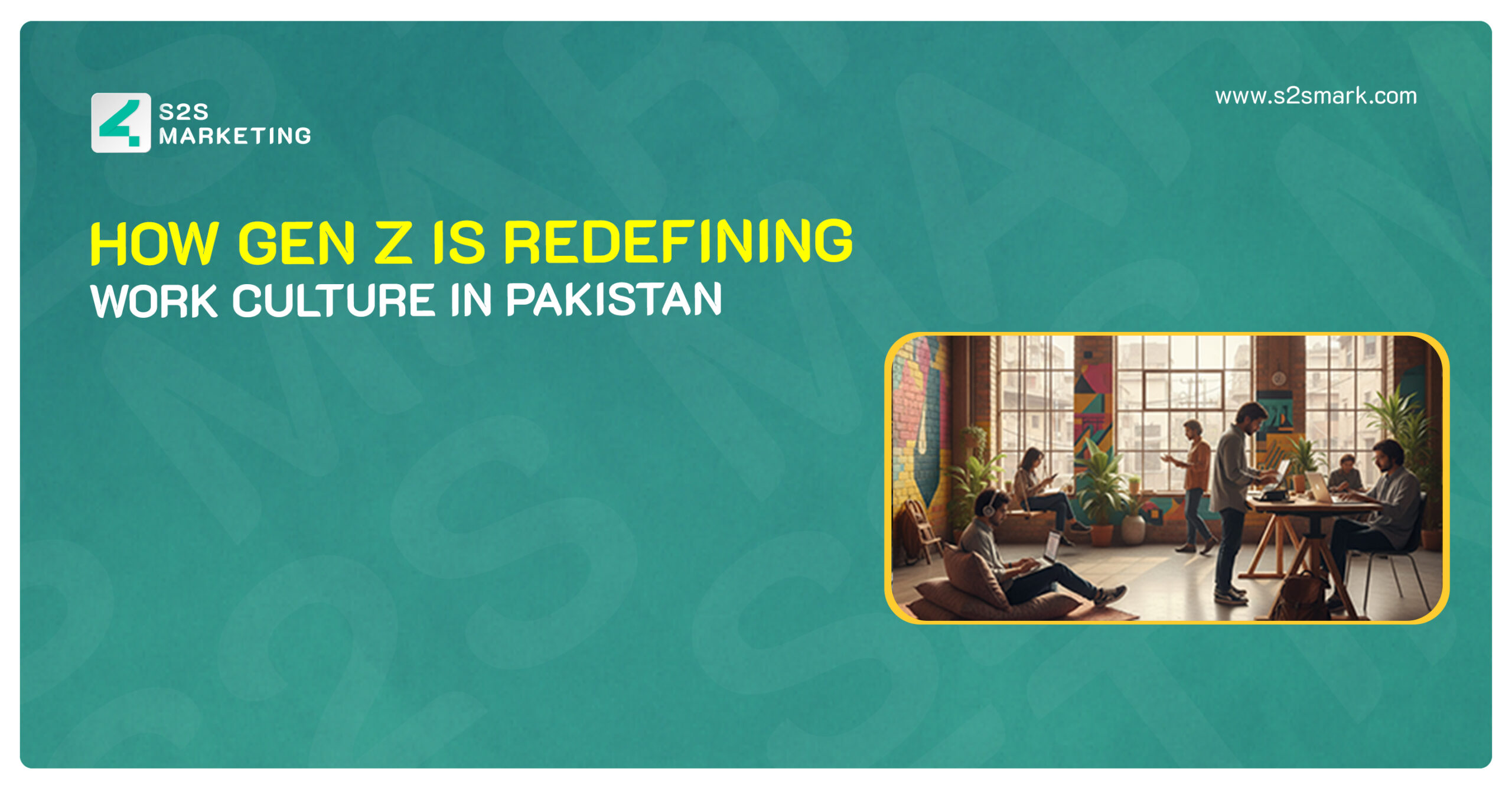
Gen Z, the people born around 1997-2012, are rapidly entering the labor market, and they are already changing the work culture in Pakistan. They are digital and they are questioning. Gen Z in Pakistan is shaping the future of the Pakistani workplace, with more of them entering the labor market and affecting company hiring, management, and growth, becoming an important influence on the future of the working environment in the country.
Shifting Work Priorities
To Gen Z in Pakistan, work is beyond a paycheck. They desire meaning, equal treatment, and actual development. They are no longer attracted to such traditional concepts as not raising questions and staying at the same job their entire life.
Gen Z are also compelling Pakistani workplaces to reconsider strict hierarchies and old-fashioned rules. Gen Z wants to work in a place where their ideas are treated with seriousness, their work is appreciated, and they can learn something new. This is one of the strongest Gen Z work trends, which is taking shape in Pakistan.
Rise of Remote and Hybrid Work
Gen Z has been brought up with the internet, thus, remote and hybrid work is natural to them. In cities such as Karachi, Lahore, and Islamabad, hybrid setups are growing at an accelerated rate. A large number of young professionals love working with flexible schedules, and freelance work that allows them to have control over the way they work and where they work.
On the part of employers, this translates to being fast to adapt. Flexibility is no longer an advantage, it is an element of the contemporary work culture in Pakistan. Gen Z would prefer to be trusted, given independence, and the liberty to work outside the old 9-5 system.
Digital Fluency and Tech Adoption
In Pakistan, Gen Z is the most technologically proficient. They work around digital tools and cloud-based systems, and work with colleagues on the Internet without any difficulties. And they demand workplaces to be as fast and efficient as they are accustomed to.
They are annoyed by slow systems and outdated software. The Pakistani workplaces are moving towards enhanced adoption of technologies, automation, and quicker communication due to this digital fluency. It is among the largest means that Gen Z in Pakistan is transforming the manner in which work is done.
Redefining Office Culture and Leadership
Hierarchy in the traditional office culture in Pakistan is very strong. Gen Z does not oppose hierarchy, but they need leaders who can clearly communicate and provide guidance and treat them as partners, rather than subordinates. They value open communication, frequent feedback, transparency, and mentoring.
Due to this fact, leadership approaches in Pakistani workplaces are gradually changing from authoritative to a more collaborative and empathetic leadership style.
Entrepreneurship and Side Hustles
Among the most prominent Gen Z trends in working in Pakistan, the emergence of side hustles must be mentioned. This generation is not relying on a single source of income. They work as freelancers, sell on the internet, create content, or develop small startups on top of their full-time job.
To most people, it means economic self-sufficiency and freedom. To employers, this has translated to adapting to a workforce that is autonomous and comes with a wide range of skills acquired outside conventional jobs. Pakistan is adopting the culture of side hustles.
Emphasis on Mental Health and Work–Life Balance
Gen Z is a generation in Pakistan that openly requires work-life balance. Long working hours and the culture of burnout, all of which were very acceptable in the past, do not sit well with them. They expect respect for personal time, flexible hours, healthy boundaries, and provision of psychological health.
Those companies that give importance to such values have better chances of appealing to Gen Z in Pakistan. This change is contributing towards the modernisation of the thought processes of Pakistani workplaces with regard to employee welfare.
Challenges Faced by Gen Z Professionals
Although Gen Z is the change agent, it also has its problems. Some managers consider them to be impatient or too demanding. The lack of communication complicates teamwork, and the instability in the economy of Pakistan poses job insecurity, as many have to side hustle to cope with increased costs.
Nevertheless, Gen Z is still insisting on more improved systems, and this ultimately benefits the whole workforce.
The Role of Social Media in Career Growth
In Pakistan, Gen Z has seen social media as a professional tool. LinkedIn, Instagram, TikTok, and X are not only entertainment platforms, but also are used to build personal brands, to get freelance jobs, to get educated, and to get opportunities.
This is shifting the manner in which recruitment is done. Online presence is becoming a tangible benefit in Pakistani workplaces as more employers are reviewing online profiles of potential employees and hiring through social media.
Future Outlook: How Gen Z Will Shape Pakistan’s Work Culture
With Gen Z assuming more positions, people should anticipate Pakistani workplaces to become:
More flexible (remote and hybrid)
More digital and fast-paced
Less hierarchical
More participatory and feedback-oriented
More entrepreneurship-friendly
Gen Z is not only becoming part of the workforce, but they are also reshaping the workforce. And work culture in Pakistan will proceed to develop in their direction.
FAQs
Q1: Who are the Gen Zs in Pakistan?
Gen Z usually implies people born after 1997 and before 2012. In Pakistan, their introduction into the workforce is altering the standards in the Pakistani workplaces in a significant way.
Q2: What is changing the culture of work in Pakistan?
A massive number of Gen Z is joining Pakistani workplaces simultaneously, with alternative assumptions of flexibility, purpose, digital tools, and work-life balance.
Q3: Which are the most significant Gen Z trends in work in Pakistan?
Among the largest trends, remote/hybrid work, side-hustles and entrepreneurship, high levels of digital fluency, high-stakes growth and feedback, and a focus on mental health are the most significant trends.
Q4: Do Gen Z have a different approach that is resented by the Pakistani work environments?
There is tension. The established norms (long working hours and above) do not suit the values of Gen Z (flexibility, fairness, and boundaries). The initial step to reducing the gap is recognising it.
Q5: What are the ways that employers in Pakistan can appeal to Gen Z talent?
Through purposeful work, career development, flexible work hours, digital devices, an inclusive culture, open feedback, and concern about well-being.
Q6: What are the problems encountered by Gen Z professionals in Pakistan?
Economic strain, labor market instability, adapting to conventional workstations, enabling digital to match the real world.
Q7: Will Gen Z transform absolutely everything in the work culture in Pakistan?
Not at once, and not altogether. But yes, they are setting the course. The culture of work in Pakistan is changing, and Gen Z will play a significant role in this change.