

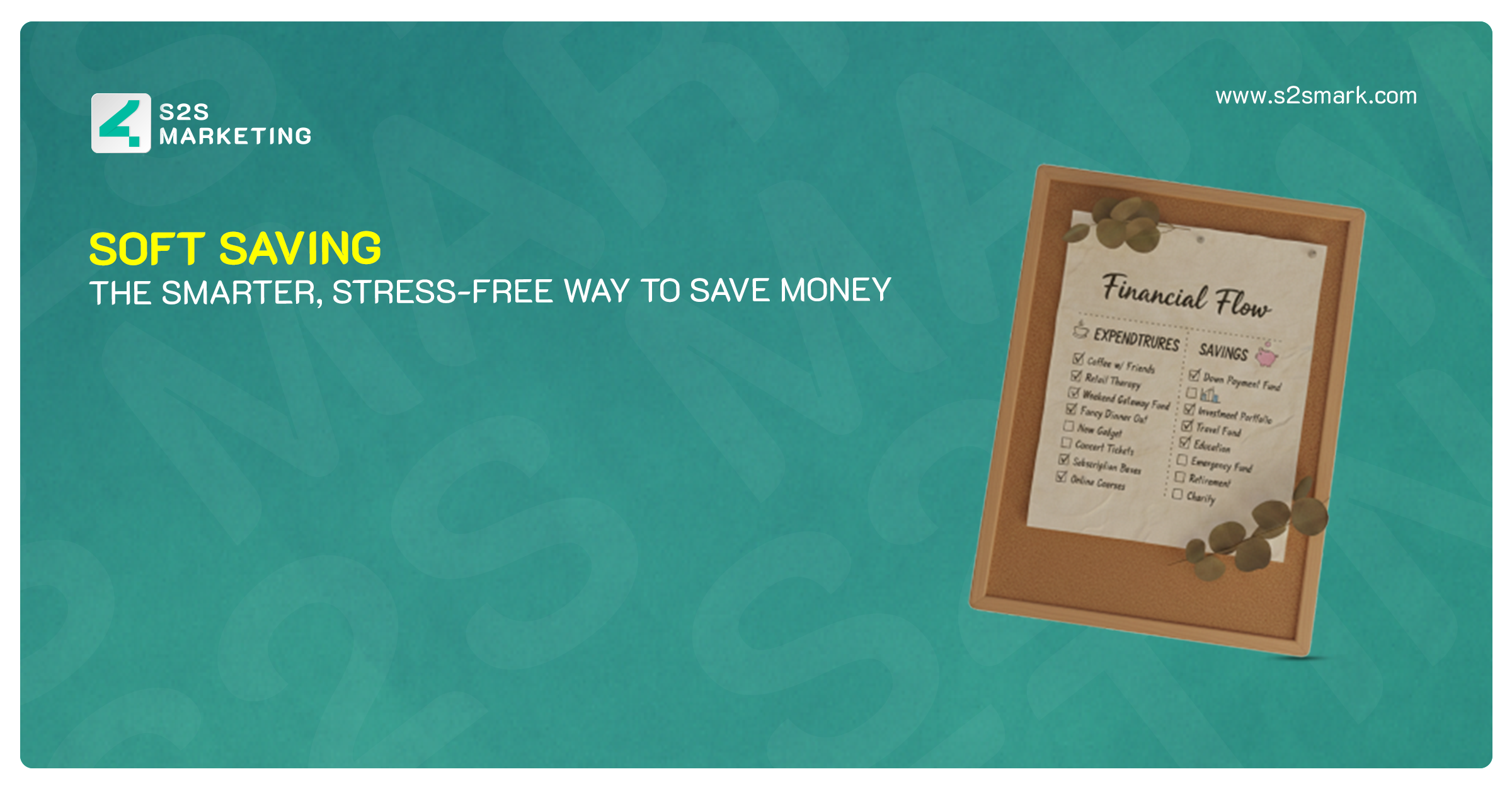
Rethinking How We Save
For many, saving money has long felt like a chore. Strict budgets, skipping small pleasures, and postponing life’s little joys make it seem like saving means giving up on living today.
That’s why soft saving is gaining attention. It’s about saving consistently, spending intentionally, and finding a balance between enjoying life now and preparing for the future. It allows people to manage their finances without feeling restricted or overwhelmed.

How Soft Saving Works in Real Life
Soft saving works by turning financial discipline into manageable habits. Instead of trying to save large amounts at once, it focuses on small, regular contributions that grow over time.
It also emphasizes intentional spending. You still enjoy life, but you choose where your money really adds value. Whether it is a hobby, an experience, or a small indulgence, your spending becomes purposeful.
Flexible budgeting is part of the approach. Budgets serve as guides, not restrictions, letting you adjust spending and saving as life changes.
Using simple tools like automated transfers, separate accounts, or designated “pots” for specific goals makes saving effortless. Together, these habits let your money grow steadily while you continue enjoying life today.

The Secret Behind Soft Saving’s Success
Soft saving works because it reduces stress. You do not have to monitor every purchase or feel guilty for enjoying a little today.
It encourages consistency. Small regular contributions add up over time, giving real results without feeling overwhelming.
Soft saving also balances life and finances. You can save and still enjoy your lifestyle, making it accessible and practical for people at any income level or life stage.
In short, it offers a middle ground between reckless spending and overly restrictive saving, showing that financial responsibility does not have to be boring or painful.

Avoid These Common Soft Saving Pitfalls
While soft saving is flexible, it still requires thought. It is important to avoid under-saving by keeping long-term goals, such as retirement or emergency funds, in mind.
Maintaining some structure helps. Even a flexible plan benefits from organization and tracking to stay on course.
Finally, it is important to adapt over time. Life changes, priorities shift, and your approach should evolve with them. When done thoughtfully, soft saving creates a sustainable path to financial security without sacrificing life’s pleasures.

Conclusion: Save Smarter, Live Better
Soft saving is not about being lazy or careless with money. It is about being practical, intentional, and balanced.
By combining consistent saving, purposeful spending, and flexible planning, you can grow your finances steadily while still enjoying life. You do not need a huge salary or extreme discipline; soft saving works for anyone willing to take small, thoughtful steps.
Start today by saving a small amount, pairing it with a purchase that adds value to your life, and watch how this approach can make saving feel simple, sustainable, and even rewarding.